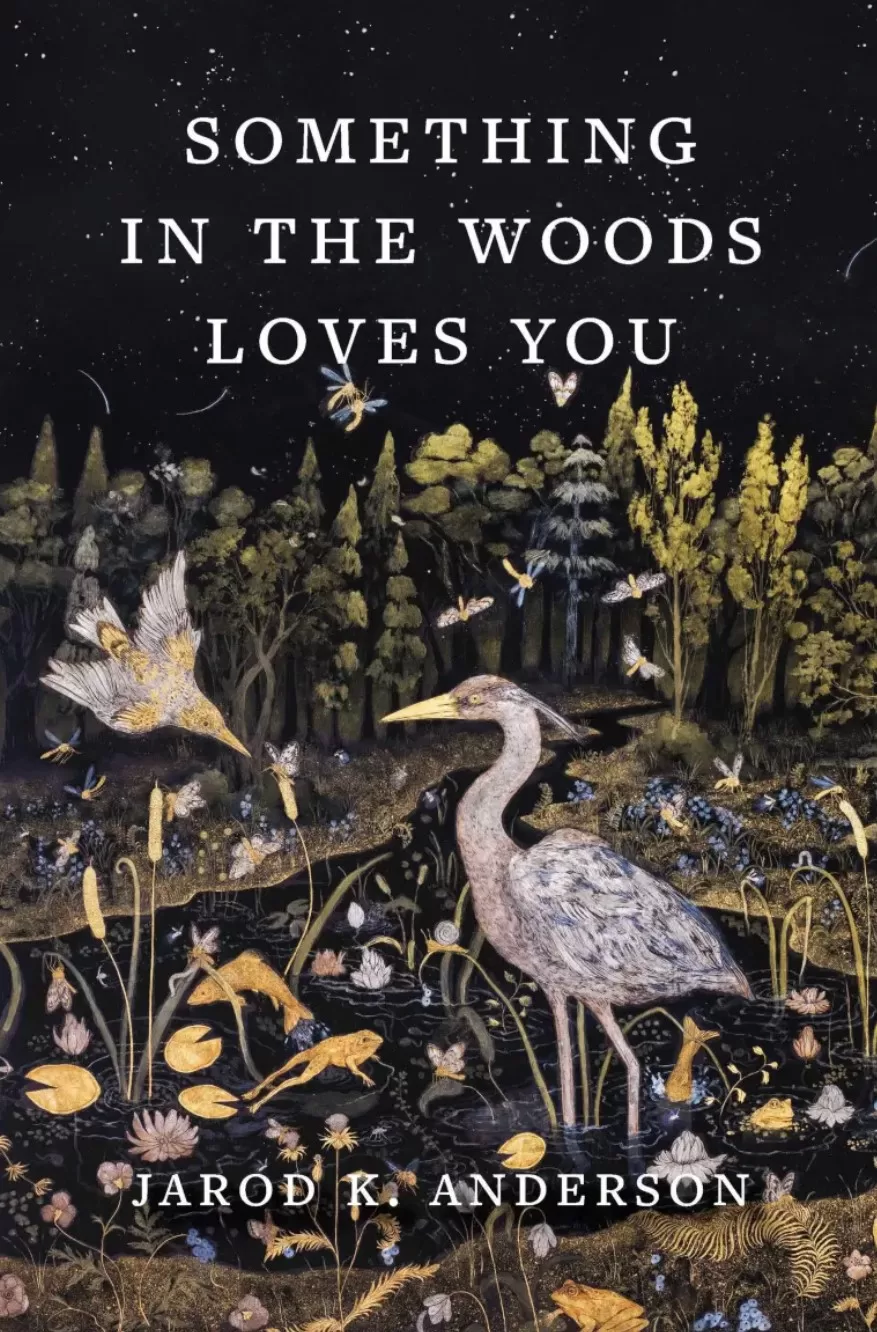
Book Review of Something in the Woods Loves you
Discover Healing in Nature
Mental Illness and the Outdoors: A Journey Through Pain and Nature
2024, Timber Press, 358pages
Jarod K. Anderson was a miserable success. His career in academia was going well. He had earned promotions and full benefits. He loved his wife. He should have had a measure of happiness, but he usually hated going to work and frequently craved death. After his wife helped him decide to quit his job and seek healing, he rediscovered his relationship with the natural world.
Nature alone couldn’t cure him. Yet therapy, treatment, and a renewed relationship with a world that did not notice his success, productivity, or strength connected him to vibrant ideas to empower the ride through the cycles of mental illness and the outdoors.
This is Not a Book About Getting Fixed
This is not a book with an emphasis on healing mental illness. It’s a book about woods, animals, plants, and human suffering. It’s about who we are and more. Anyone who has suffered can find kinship with the struggle to live while in pain. Something In The Woods Loves You promises hope.
While Anderson does offer a story of healing, along the way he steps into woods and into his past as he considers what matters. His healing isn’t about getting fixed but finding new thoughts and new ways to be.
Searching for Morels and Meaning
Can searching for morels be an anecdote for craving death? No, not exactly. But searching for morels may get one out of the house. Searching and not finding creates a journey that might be called a failure, or a part of the reality of trying multiple approaches. Morel hunting is about searching. Not possession. Discovery. Morels are everything else you find as you tilt aside the mayapples and willfully choose to believe that the next patch of sunlight between the black walnut trees looks promising.
Science, Magic, and the Subjective Why
Can watching crows teach one about the false choice between science and magic? Why is your pond full of algae? Science has your answer. Yet that doesn’t discount the assertion that crows are magic. Anderson feels a “persuasive significance behind their glances.” When we embrace the magic, we move beyond the what and the how. Answer the question “why” to discover and define the magic. “Our identities and our whys are subjective.” We shape magic.
The Cost of Existence and the Pressure to Be Strong
Are field mice insignificant enough to kill without a thought? Anderson’s consideration of killing departs from the hippy-dippy allusion that we can exist without a cost to others. His essay on toxic masculinity offers compassionate elucidation about the pressures to be strong and to deny feelings. Anderson connects ego to these culturally fed impulses and walks the labyrinth of thought. He leaves us a trail to walk and think alongside him.
Simple unexamined judgements about life and others tend to promote divisiveness, selfishness, and misery. Find the thing that loves you in the woods and find a better way to be. Author Anderson pulls back the branch and exposes the path to a more fulfilling life.
A version of this review was first published in a Sierra Club publication.

Amy Lou Jenkins’ books include Every Natural Fact and Friends.
If you have a book for possible review, contact her through www.JackWalkerPress.com.