If the Big Event Isn’t the Heart of Your Memoir, What Is?
Most people who want to start writing a memoir begin by looking for the biggest event in their lives.
The divorce.
The diagnosis.
The affair.
The death.
The addiction.
The dramatic thing everyone agrees was “life-changing.”
And sometimes those events do become part of a memoir.
But strong memoir writing is rarely built around the event alone.
A compelling memoir is usually organized around a deeper transformation: a shift in identity, belief, grief, longing, courage, truth, or self-understanding that unfolds because of what happened.
That’s why memoir is different from autobiography.
Autobiography tends to document a life.
Memoir searches for meaning inside a life.
If you want to know how to start writing a memoir, this is one of the most important things to understand: the memoir is often not about the event itself. It is about what changed because of it.
Why Many Memoir Writers Start in the Wrong Place
New memoir writers often assume they need:
- a shocking story,
- a dramatic life,
- or a perfectly structured timeline before they begin.
But memoir structure does not begin with chronology. It begins with emotional and thematic movement.
A memoir works when readers can feel a meaningful before and after.
Not simply:
“This happened.”
But:
“Because this happened, I could no longer see myself, my family, my body, my faith, my relationships, or the world in the same way.”
That internal shift is often the real engine of memoir writing.
Memoir Shifts: Wild by Cheryl Strayed
 Wild by Cheryl Strayed is often described as a memoir about hiking the Pacific Crest Trail after the death of Strayed’s mother.
And yes, the hike matters.
The blisters matter.
The fear matters.
The loneliness matters.
But the memoir is not ultimately about hiking.
The trail becomes the visible structure for a deeper transformation involving grief, self-destruction, forgiveness, and survival.
The real memoir question underneath the book is something closer to:
Who do I become after losing the person who anchored my world?
That is what gives the memoir emotional power.
Memoir Structure Does Not Always Mean a Straight Timeline
One reason many writers struggle with how to write a memoir is because they imagine memoir must follow a traditional plot structure from beginning to end.
But memoir can take many forms.
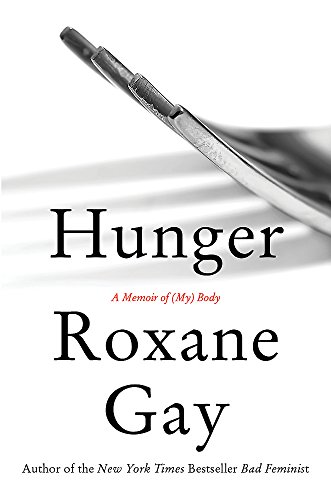
In Hunger, Roxane Gay uses a more essayistic structure to explore trauma, embodiment, shame, protection, appetite, and survival.
The memoir circles its emotional territory rather than moving in a perfectly linear way.
This is important for memoir writers to understand.
Sometimes memoir unfolds through scenes and chronology.
Sometimes it unfolds through reflection, repetition, memory, and personal essays that gradually reveal the deeper emotional truth beneath the experiences.
A memoir does not need to look one particular way to be effective.
What matters is that the structure supports the transformation the writer is trying to understand.
 Memoir to Confront: Heavy by Kiese Laymon
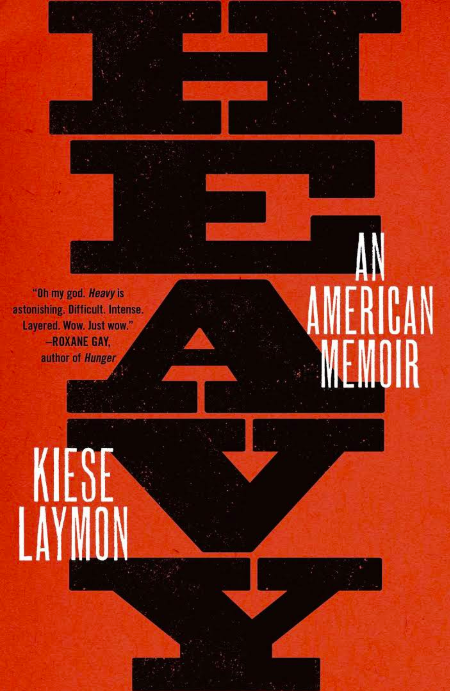
In Heavy, Kiese Laymon explores race, shame, body image, gambling, secrecy, family, and truth.
The memoir is not organized around one dramatic “big event.”
Instead, the emotional movement comes through Laymon’s increasing willingness to confront inherited beliefs, survival strategies, silence, and distortion with honesty.
The memoir becomes an act of truth-telling.
That movement toward honesty is what gives the book its power and cohesion.
How to Start Writing a Memoir When You Don’t Know the Whole Story Yet
One mistake many new memoir writers make is believing they must know:
- the opening scene,
- the structure,
- the ending,
- and the full arc of the memoir before they begin.
You do not.
Sometimes memoir writing begins with exploratory journaling.
Sometimes writers spend months collecting scenes, fragments, memories, questions, and reflections before they fully understand what the memoir is really about.
That process is not failure.
That process is discovery.
Once you begin to recognize the deeper transformation beneath the memories, you can begin shaping the memoir more intentionally:
- deciding what belongs,
- identifying recurring themes,
- building structure,
- choosing scenes,
- and understanding where the emotional movement truly lives.
You are no longer simply recording events.
You are shaping meaning.
Questions That Can Help You Find the Heart of Your Memoir
If you are wondering how to start writing a memoir, these questions may help:
- What belief changed?
- What truth became impossible to ignore?
- What silence became too costly to maintain?
- What version of yourself no longer fit?
- What question has your life kept returning to?
- What did you once believe that you no longer believe now?
Very often, the answers to those questions lead writers closer to the real memoir than simply identifying the most dramatic thing that ever happened to them.
Want Help Starting Your Memoir?
If you are exploring memoir writing, personal essays, journaling, or creative nonfiction, I’d love to stay connected with you.
You can download my free guide:
 Five Must-Dos to Write Your Memoir
The guide will help you begin uncovering the deeper story beneath your experiences and move past some of the most common blocks memoir writers face when starting a book.
You can also stay connected through Writer Clubhouse, where I share memoir insights, journaling prompts, studio sessions, reading recommendations, and upcoming opportunities for readers and writers interested in authentic voice and meaningful storytelling.







I’m very interested in writing my memoir.
Watch our newsletter for the next session group session, we hava a free one coming up. Subscribe here and there’s also a link to get a free starter workbook. https://amyloujenkins.com/subscribe-first-person-writing-and-green-and-wildish-living/
Not helpful when you have six different approaches to writing your memoir and are spinning your wheels trying to decide which to dedicate 70k+ words to.
And when the “man in a hole” story arc ends “man in a DEEPER hole”
We can get you unstuck. What you are feeling is really quite normal and all your ideas are a good sign. What memoirs are you reading that you love? Finding a structure and a theme really help us begin to see our stories. I have several proven methods to write your story. Be sure to subscribe to our newsletter and watch for our next studio session. We are running a free one soon. https://amyloujenkins.com/subscribe-first-person-writing-and-green-and-wildish-living/